What If Your Morning Commute Could Keep Your Family Safer—Without Any Extra Effort?
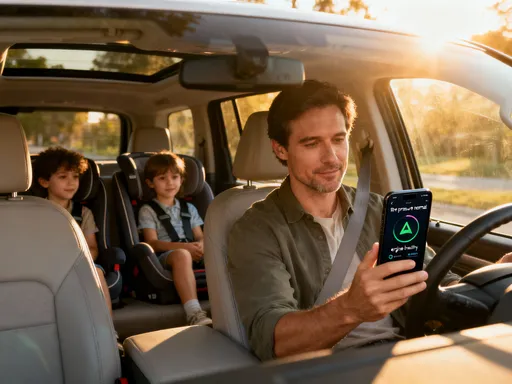
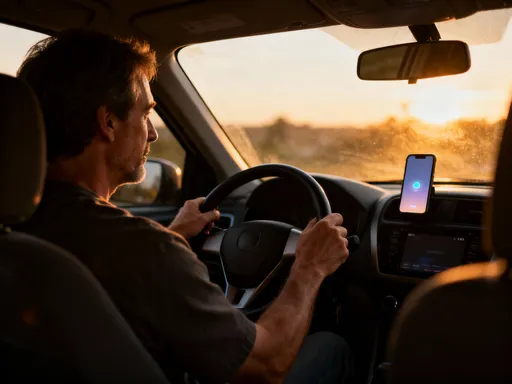
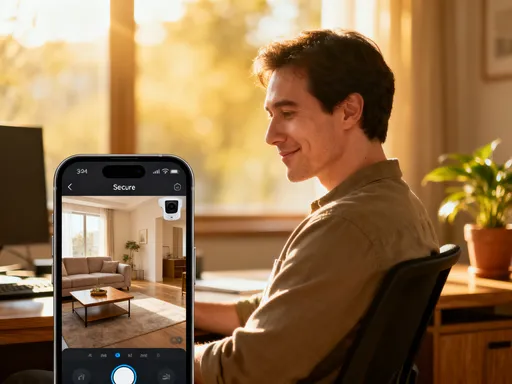
Imagine this: you're driving to work, coffee in hand, when your phone gently alerts you that your teen just left home—on foot, without their phone. It’s not a glitch. It’s your family’s security network quietly working behind the scenes. No extra apps to learn, no confusing settings. Just peace of mind, woven into your daily routine. This isn’t futuristic fantasy—it’s possible today, and simpler than you think. You don’t need to be a tech expert. You just need to know how to use your phone—something you’re already doing every day.
The Hidden Stress of Daily Routines
We all move through the same patterns—school runs, commutes, errands—yet rarely stop to ask: Are we truly connected when we’re apart? As a mom of two, I used to drop my kids at school and spend the first hour of my workday wondering if my youngest remembered her lunch, or if my son made it to the bus stop safely. It wasn’t panic, but a quiet hum of worry in the back of my mind. You know the feeling. That little voice that asks, “Did she cross the street at the light?” or “Is Dad okay walking to the pharmacy by himself?”
These aren’t dramatic emergencies—they’re the everyday moments that fill the space between us. And while we can’t be everywhere, we still want to know our people are okay. The truth is, that low-level anxiety adds up. It distracts us at work, makes us text more than we’d like, or even changes our plans just to double-check. But what if you could quiet that voice—without becoming a helicopter parent or bothering your teenager every five minutes?
I remember one rainy afternoon when my daughter was supposed to walk home from a friend’s house. She was only ten, and the route was short, but the skies opened up and I started pacing. I didn’t want to call and embarrass her, but I couldn’t shake the worry. That’s when I realized: we live in a time where our phones know where we are, yet we’re still guessing. Why can’t that information work for us—quietly, respectfully—so we don’t have to?
This isn’t about fear. It’s about care. And it’s about using the tools we already carry to close the small gaps that create big stress. The good news? Technology isn’t here to replace our instincts—it’s here to support them. We don’t need to be on high alert all the time. We just need a little more clarity, especially during those moments when we’re physically apart but emotionally present.
How Family Security Networks Actually Work (Without the Confusion)
When I first heard about family safety apps, I assumed it meant learning a whole new system—another password, another interface, another thing to mess up. I pictured complicated dashboards with blinking maps and too many settings. But the reality is much simpler. Think of it like a group chat that automatically knows where everyone is. No extra steps. No new habits. Just your phone doing a little extra behind the scenes.
Most smartphones already have location sharing built in—yes, the same ones we use for maps or finding a nearby coffee shop. When you enable it for family, your phone can quietly let others know when you’ve arrived somewhere safe, like home, school, or work. It’s not live tracking. It’s not constant surveillance. It’s just a gentle nudge: “Your son just got off the bus,” or “Your mom has reached her doctor’s office.”
One of the most helpful features is geofencing. Sounds technical, right? But it’s really just drawing invisible lines around places that matter. You set a geofence around your home, your child’s school, or your parents’ house. Then, when someone crosses that line—arriving or leaving—you get a simple notification. It’s like having a digital heads-up without lifting a finger.
And it works even when your phone is on low battery or in poor signal areas. Many systems send a final alert if a device goes offline unexpectedly, so you’re not left wondering. These aren’t futuristic gadgets—they’re features already on your phone, waiting to be used. The setup takes less than ten minutes, and once it’s done, you forget about it—until that moment when it matters.
What’s even better? You don’t need everyone to have the latest phone. Most modern devices, even older models, support basic location sharing. And you don’t have to download a separate app—many of these tools are built into the operating system. That means no extra clutter, no confusing permissions, no tech support calls from your mom asking how to log in.
Commuting as a Moment of Connection, Not Just Travel
Your commute doesn’t have to be just about getting from point A to point B. For many of us, it’s one of the few quiet moments in the day—windows down, music on, thoughts drifting. But it can also be a time to gently stay in the loop. Imagine leaving for work and seeing a soft notification: “Mom arrived safely at her appointment.” No call needed. No text back and forth. Just knowing.
I’ve started using my morning drive to catch up on these small updates. Instead of scrolling through news or social media, I let the quiet alerts come in. My daughter left school. My husband reached the office. My dad left the grocery store. It’s not constant. It’s not overwhelming. It’s just enough to let me exhale and focus on my day.
And it’s not just about safety. It’s about presence. When my son was in middle school, he started walking home with a friend. I trusted him, but I still worried—especially on icy days or when it got dark early. Now, I get a simple message when he arrives. No nagging. No “Where are you?” texts. Just peace of mind.
The beauty of this system is that it respects everyone’s independence. You’re not checking in. You’re not interrupting. You’re just being quietly informed. And that makes a huge difference—especially with teens who value their privacy. They don’t feel watched. They feel supported.
Plus, it’s not just for parents. If you’re caring for an aging parent, these small updates can be a lifeline. My friend Sarah uses arrival alerts to know when her mom gets back from her weekly shopping trip. “It’s not that I think something will happen,” she told me. “It’s that I don’t have to wonder. And that makes my whole day calmer.”
Real Families, Real Relief: Stories from the Road
Let me tell you about Mark, a nurse who works night shifts at a hospital an hour from home. Every evening, he leaves the house knowing his teenage daughter is home alone after soccer practice. He used to call her the moment he got to work, just to make sure she’d made it back. But one night, his phone buzzed before he could dial: “Daughter has arrived home.”
That small message changed everything. “I don’t have to worry about disturbing her,” he said. “She doesn’t have to answer the phone while she’s eating or doing homework. But I know she’s safe. It’s like someone gave me a deep breath I didn’t know I needed.”
Then there’s Lisa, a single mom of two, who juggles two part-time jobs and school pickups. She used to text her kids constantly: “Where are you?” “Did you leave school?” “Are you on the bus?” It wasn’t because she didn’t trust them—it was because she was stretched thin and needed to plan her route.
Now, she uses geofence alerts to know when her kids leave school. When the notification comes, she starts her car. When she sees that her son has left his after-school program, she knows exactly when to leave work. “It’s saved me so much stress,” she said. “I’m not late. I’m not rushing. And I’m not texting them every five minutes like a detective.”
And then there’s James, who lives 300 miles away from his elderly mother. He used to call her every evening, not because she asked, but because he needed to hear her voice to feel at ease. Now, he gets a simple alert when she returns home from her daily walk. “It doesn’t replace our calls,” he said. “But it means I don’t call out of anxiety. I call because I want to talk.”
These aren’t tech geniuses. They’re regular people—parents, caregivers, busy adults—using simple tools to feel more connected. The common thread? Less stress. More trust. And the freedom to live their lives without constant worry.
Overcoming the Learning Curve: Making Tech Feel Natural
Let’s be honest: many of us avoid new tools because they feel overwhelming. We’ve all been there—staring at a screen, trying to figure out which button to press, worried we’ll accidentally turn on something we can’t turn off. But setting up a family safety network doesn’t have to be complicated.
Here’s how I did it, step by step. First, I opened the Find My app on my iPhone—something I already used to locate my lost earbuds. Then, I tapped “Share My Location” and invited my husband and older daughter. They got a notification and accepted it with one tap. That was it. No passwords. No setup wizard. Just a simple connection.
Next, I set up geofences. I went to the app settings and selected “Notify When Arrived” for home and school. Now, when my daughter leaves school, I get a message. Same when she gets home. I didn’t need to download anything. I didn’t need to read a manual. It was already there, waiting to be used.
If you’re on Android, it’s just as easy. The Find My Device feature lets you share location with family members through Google Maps. You control who sees your location and for how long. You can turn it off anytime. And you can set up alerts for specific places, just like on iPhone.
The key is to start small. Pick one person—maybe your teen or your partner—and try it for a week. See how it feels. You don’t have to track everyone. You don’t have to use every feature. Just try the basics: location sharing and arrival notifications. Chances are, you’ll wonder why you didn’t do it sooner.
And if you’re not confident, ask your kids. I know that sounds backwards, but hear me out. My daughter showed me how to customize the alerts so I wouldn’t get pinged every time she walked to a friend’s house. She knew the settings better than I did. And that’s okay. Letting them help you isn’t weakness—it’s connection.
Privacy, Trust, and Boundaries: Doing It the Right Way
I get it. The idea of location sharing can feel a little… invasive. Especially with teens or aging parents. You don’t want to come across as controlling or distrustful. And you shouldn’t. That’s why consent and boundaries are so important.
When I talked to my daughter about sharing her location, I didn’t just turn it on. I asked her. We had a conversation. I explained why it made me feel more at ease, and I listened to her concerns. We agreed she wouldn’t be tracked during sleep hours or when she was at a friend’s house unless she chose to share. It wasn’t surveillance. It was support.
For teens, it’s about respect. One mom told me she only uses the system during school days and turns it off on weekends. “It’s not about watching her,” she said. “It’s about knowing she got to school safely. After that, she’s free.”
With aging parents, the conversation is different but just as important. My aunt uses location sharing with her mom, but only during the day. “At night, I trust she’s home,” she said. “But if she goes out in the morning, I like knowing when she gets back. It’s not about control. It’s about care.”
The goal isn’t constant monitoring. It’s peace of mind during the moments that matter. And that means being clear, transparent, and willing to adjust. If someone feels uncomfortable, listen. If they want to pause it, respect that. Technology should strengthen trust—not replace it.
Building a Smarter, Calmer Life—One Commute at a Time
At the end of the day, this isn’t about gadgets or features. It’s about how we care for the people we love. It’s about using the tools we already have to reduce anxiety, build trust, and create a little more calm in our busy lives.
Your morning commute doesn’t have to be just travel. It can be a moment of quiet connection. A soft alert on your phone can be more than a notification—it can be reassurance. It can be the difference between starting your day stressed or starting it centered.
And the best part? It doesn’t add to your to-do list. It doesn’t require new habits. It doesn’t demand your attention. It works in the background, like a quiet promise: I’ve got you.
You don’t need to be perfect. You don’t need to track every move. You just need to know that when it matters, you’ll know. That your child made it home. That your parent reached the clinic. That your partner got to work safely.
In a world that often feels too fast and too loud, these small moments of clarity can make all the difference. They don’t eliminate life’s uncertainties—but they help us carry them with a little more ease.
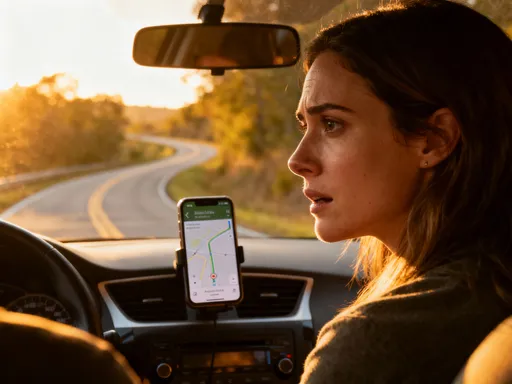
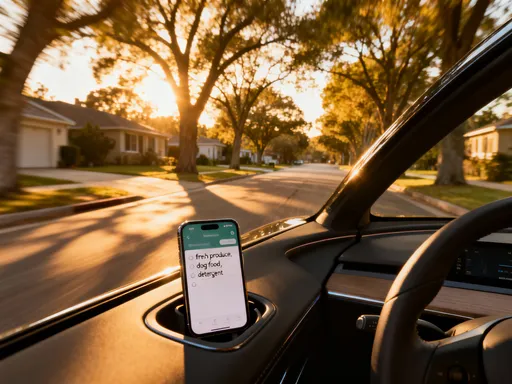
So the next time you’re in the car, coffee in hand, phone resting in its holder, take a breath. Look at the screen. See that gentle alert. And let yourself feel it: peace of mind, quietly delivered. Because caring doesn’t have to be loud. Sometimes, it’s just a soft ping—reminding you that everyone you love is where they need to be.