From Silent Struggles to Daily Wins: How Messaging Apps Quietly Revolutionized My Eating Habits
We’ve all been there—staring at our phones after a long day, mindlessly scrolling while snacking on something we shouldn’t. I used to see instant messaging as just chat, until I realized it was quietly helping me eat better. No strict rules, no guilt. Just small, smart nudges from the apps I already use every day. This isn’t about willpower. It’s about how familiar tools, used in new ways, can gently guide us toward healthier choices—without feeling like work. What started as simple text exchanges slowly reshaped my relationship with food, not through force, but through gentle presence. And the best part? I didn’t need to download a single new app.
The Snack Trap: When Late-Night Chats Led to Late-Night Cravings
It started innocently enough. A quiet evening at home, kids asleep, dishes done. I’d curl up on the couch with my phone, opening a chat with a friend who lived across the country. We’d catch up about work, kids, the latest show we were both watching. But as the words flowed, so did the snacks. I’d reach for chips without even realizing it, drawn in by the rhythm of the conversation and the stillness of the house. That little screen felt like company, and somehow, eating became part of the ritual. It wasn’t hunger—it was comfort. The glow of the phone, the sound of a new message, the sense of connection… and next thing I knew, the bag was empty.
For months, I blamed myself. Why couldn’t I just put the snacks down? Why did I turn to food every time I was online with someone? But then it hit me: the problem wasn’t the messaging. It was how I was using it. The apps weren’t making me eat—they were highlighting a deeper need for connection, one I’d been filling with food instead of focus. Once I saw that, everything shifted. I didn’t delete the apps or cut off my friends. Instead, I started using those same chats differently. I began pausing before I reached for the chips, asking myself, ‘Am I really hungry, or do I just want to feel close to someone?’ That tiny moment of awareness made all the difference. And slowly, the snacks became less automatic, the chats more present.
What surprised me most was how quickly the habit changed once I stopped fighting it. I didn’t need a strict plan or a new tracking app. I just needed to notice the pattern. And once I did, I could choose—really choose—what came next. Sometimes, I’d still have a small bowl of something crunchy, but now it was intentional, not mindless. Other times, I’d close the kitchen door and keep chatting, fully in the moment. The messages stayed the same, but my relationship with them—and with food—had quietly transformed.
From Group Chats to Goal Support: Building a Circle That Cares
Somewhere in the middle of all this, I stumbled on a simple idea: what if I used my group chat not just for weekend plans and funny memes, but to support the kind of daily habits I actually wanted? I was tired of feeling like I had to do this alone—tracking meals, resisting cravings, trying to drink more water. So one night, I typed a message into our family group: ‘I’m trying to make small changes with food. Anyone else want to share what they eat sometimes? No pressure, just support.’ I hit send and waited, half-expecting silence.
Instead, my sister replied within minutes: ‘Same here. I’ve been trying to eat more veggies. Want to send each other lunch pics?’ And just like that, it began. What used to be a space for grocery lists and birthday reminders slowly turned into a gentle cheer squad. We didn’t post every meal or judge portion sizes. We just shared—sometimes a photo of a colorful salad, other times a quick voice note saying, ‘Drank my third glass of water today!’ It felt light, natural, and strangely powerful. There was no pressure to be perfect. Just the quiet understanding that we were all doing our best.
One of the biggest shifts came when we started using the chat to pause before making impulsive choices. My cousin, who works from home, started sending a message before ordering takeout: ‘Thinking about pizza. Anyone else craving something light?’ More often than not, someone would reply with a quick, ‘How about a stir-fry? I’ve got a simple recipe.’ And just like that, the craving lost its urgency. It wasn’t about shame or restriction. It was about connection. Knowing someone was there, rooting for me, made it easier to choose what truly nourished me.
What I love most is how effortless it feels. We’re not logging anything. We’re not competing. We’re just showing up for each other in real, human ways. And that makes all the difference. When support feels like friendship instead of homework, it sticks. I’ve found myself making better choices not because I’m forcing myself, but because I don’t want to let my people down—and because I feel seen, even when I’m just sitting at my kitchen table, deciding what to eat.
Bots That Don’t Judge: Silent Helpers in the Background
Here’s something I never thought I’d say: I’ve developed a soft spot for chatbots. Not the flashy, high-tech ones that promise miracles, but the simple, low-key helpers built right into the messaging apps I already use. At first, I ignored them. They felt robotic, intrusive—like digital nagging. But then I discovered one that changed my mind. It wasn’t a fitness guru or a nutrition coach. It was just a little message that popped up in the morning: ‘Good morning! Did you have water with your coffee?’ No follow-up. No demand for a response. Just a gentle nudge, like a friend checking in.
I started looking forward to it. Not because it made me feel guilty, but because it made me pause. That one question—‘Did you have water?’—was enough to remind me to grab my bottle before I reached for a second cup of coffee. No logging. No graphs. No pressure. Just a soft reminder that I mattered, that my body deserved care. Over time, I added a few more: a mid-afternoon message that said, ‘Stretch your legs? Even five minutes helps.’ Another that asked, ‘What’s one thing you’re grateful for today?’ None of them were about food, exactly, but they all supported the kind of mindset that made healthier choices easier.
The beauty of these bots is that they don’t try to fix me. They don’t track calories or shame me for skipping a meal. They just show up, quietly, with a kind word or a small suggestion. And because they’re part of the same app I use to talk to my sister or plan dinner with my mom, they don’t feel clinical. They feel like part of the family. I’ve learned that sometimes, the most effective support isn’t loud or demanding. It’s soft, consistent, and always there. These bots aren’t replacing human connection—they’re enhancing it, creating space for me to show up more fully in my real relationships.
I’ll admit, I was skeptical at first. I thought, ‘How can a machine understand what I need?’ But I’ve realized it’s not about understanding. It’s about presence. A well-timed message can shift my whole day. And when that message feels like care, not control, it becomes something I welcome, not resist. These little digital nudges haven’t changed my life overnight, but they’ve made the small, daily wins feel possible—and that’s where real change begins.
Voice Notes Over Calorie Counts: A Kinder Way to Track
I used to track my food religiously—logging every bite, counting every calorie, weighing portions with surgical precision. And for a while, it worked. But then it didn’t. The numbers started to feel like a prison. I’d eat something ‘off-plan’ and spiral into guilt. I’d skip a log and feel like a failure. It wasn’t helping me feel better. It was making me feel worse. So I stopped. Cold turkey. No more apps, no more tracking. But then, a few weeks later, I found myself missing something—just not the numbers. I missed the reflection, the pause, the chance to check in with myself. That’s when I started using voice notes.
Instead of typing in what I ate, I’d record a quick message to myself after meals. ‘That lunch was delicious—lots of greens, a little bread, and I felt full but not stuffed. Good balance.’ Or, ‘Snacked on cookies while working. Tasted good, but now I feel sluggish. Maybe next time I’ll have fruit instead.’ No scores. No judgments. Just observations. It felt like talking to a kinder version of myself—one who didn’t care about points, but cared about how I felt.
What surprised me was how much more honest I could be in a voice note than in a log. Typing felt formal, like I was reporting to a boss. Speaking felt personal, like I was confiding in a friend. And because I could listen back later, I started noticing patterns—not in calories, but in emotions. ‘I reach for sweets when I’m stressed.’ ‘I eat slower when I’m alone.’ ‘I feel proud when I cook for my family.’ These weren’t metrics. They were insights. And they helped me make changes that lasted, not because I had to, but because I wanted to.
I still use voice notes today. Sometimes I send them to my sister, just for fun. ‘Just made roasted carrots with thyme—smells amazing!’ Other times, they’re just for me. The act of speaking my experience out loud—of hearing my own voice say, ‘I did well today’—has become a ritual of self-respect. It’s not about perfection. It’s about presence. And in a world that often tells us to shrink, to count, to control, that kind of kindness feels revolutionary.
Family Feasts, Simplified: Coordinating Meals Without the Chaos
Family dinners used to stress me out. Not because I didn’t love cooking, but because of the chaos that came with it. Who was home? What did they like? Did we have ingredients? Did anyone remember to buy milk? By the time I got home from work, the mental load was exhausting. I’d end up defaulting to pasta or takeout, not because it was the healthiest choice, but because it was the easiest. That changed when I started using our family group chat as a meal-planning hub.
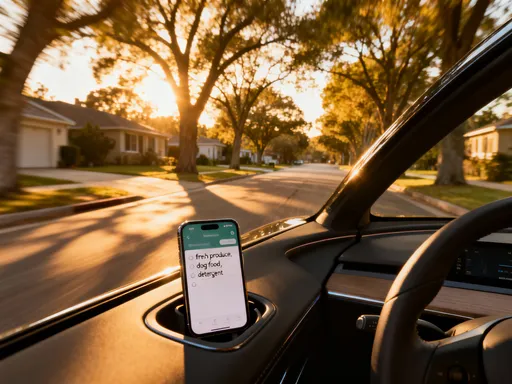
Now, it’s simple. Every Sunday night, someone—usually my daughter—starts the thread: ‘What’s for dinner this week?’ We toss ideas back and forth. ‘Taco Tuesday?’ ‘How about soup on Wednesday?’ I’ll add a quick grocery list to the chat, and we all chip in. If someone’s running to the store, they check the list and grab what’s needed. If someone’s hungry after school, they can peek at the plan and know what’s coming. No more last-minute decisions, no more ‘I don’t know, whatever you’re making.’
But it’s not just about logistics. It’s about connection. Sharing recipes has become a new kind of bonding. My mom sent a photo of her lentil stew with a voice note: ‘This always reminds me of your childhood winters.’ My brother shared a quick video of his stir-fry technique—‘High heat, lots of garlic, done in ten minutes.’ These little digital exchanges have brought warmth to our meals, even when we’re not all at the table. And because we’re planning together, we’re eating better—not perfectly, but with more thought, more care, more love.
I’ve also noticed that when meals are predictable, I’m less likely to snack mindlessly. If I know a good dinner is coming, I don’t feel the urge to fill the gap with junk. And when the kids see me cooking something new, they’re more curious than resistant. ‘What’s that smell?’ ‘Can I help?’ That shift—from chaos to calm, from stress to shared excitement—has made all the difference. Our meals aren’t gourmet, but they’re ours. And that makes them nourishing in ways that go far beyond nutrition.
The “No” That Felt Easy: Using Texts to Set Boundaries
Saying no has never been my strong suit. At work, at parties, even at family gatherings—I’ve always struggled with the fear of disappointing people. So when a box of donuts appeared in the office break room, or a friend offered me a second slice of cake, I’d usually say yes, even when I didn’t want to. It wasn’t about the food. It was about peace. I didn’t want to explain, to justify, to stand out. But then I realized something: I could say no more easily in a text than in person.
When a colleague texts, ‘Donut run—want one?’, I can reply, ‘I’m good, thanks!’ without hesitation. No awkward pause. No forced smile. No guilt. It feels light, polite, and firm. And because it’s digital, I can take a breath before responding. I can choose my words. I can say what I mean without my voice shaking or my face flushing. It’s become my quiet superpower.
I’ve started using this for other boundaries too. ‘Can’t stay late tonight—family dinner planned.’ ‘Skipping wine today—feeling better with water.’ These tiny messages don’t feel like rejections. They feel like affirmations—of my needs, my choices, my worth. And the more I use them, the easier it gets to say no in person, too. The texts have become practice, a safe space to build confidence.
What I’ve learned is that setting boundaries isn’t selfish—it’s self-care. And sometimes, the tools that help us do it aren’t grand or dramatic. They’re simple, familiar, already in our pockets. A text message can be an act of courage. It can protect your peace, your health, your time. And when you use it with kindness—both to others and to yourself—it becomes a quiet revolution, one ‘no’ at a time.
Small Messages, Big Changes: What This Means for Everyday Life
Looking back, I can see how these small digital moments added up to something real. It wasn’t one big change. It was a series of tiny shifts—messages that reminded me to drink water, voice notes that helped me reflect, group chats that made me feel supported. None of it was flashy. None of it required a new gadget or a steep learning curve. It was just me, using the tools I already had, in ways I hadn’t imagined before.
What’s changed isn’t just what I eat. It’s how I think about myself. I’m kinder. More aware. More connected. I don’t see food as the enemy, or my body as a project. I see them as part of a larger story—one of care, of presence, of love. And technology, once something I blamed for my late-night snacking, has become a quiet ally in that story.
I’ve learned that real change doesn’t come from willpower or punishment. It comes from support. From feeling seen. From small, consistent acts of kindness—whether they come from a friend, a family member, or even a simple chatbot. When technology feels like a companion rather than a controller, it stops being a distraction and starts being a tool for living well.
So if you’re trying to make changes—big or small—don’t underestimate the power of the apps already in your hand. You don’t need a new plan. You don’t need to overhaul your life. You just need to look at what you’re already using and ask: How can this support me? How can it help me feel more connected, more grounded, more like myself? Because sometimes, the best coach isn’t someone shouting from a stage. It’s a quiet message, arriving at just the right time, saying, ‘You’ve got this.’ And when that message comes from a place of care—whether human or digital—it has the power to change everything.