What If Your Daily Drive Could Make Shopping Easier—Without You Lifting a Finger?
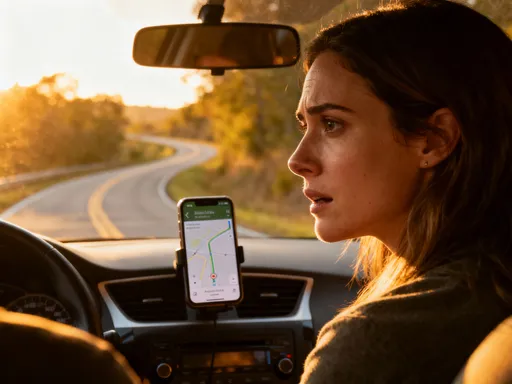
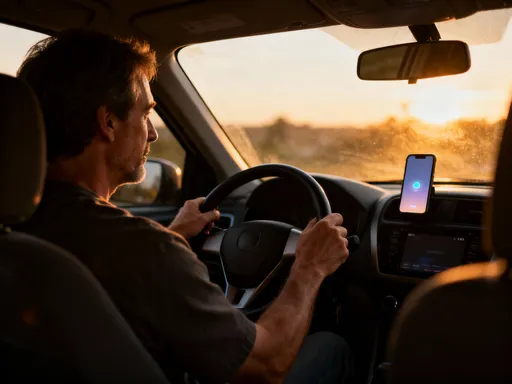
Imagine this: you're driving home from work, and without any extra effort, your route helps predict what you’ll need at the store tomorrow. No lists, no stress. Just smarter, smoother shopping—automatically shaped by how you already drive. It’s not magic; it’s technology quietly working in the background, turning ordinary commutes into meaningful helpers for your daily life. You don’t have to change a thing—your habits are already doing the heavy lifting. And the best part? This isn’t some far-off dream. It’s happening now, in small but powerful ways, for moms, caregivers, and busy households just like yours.
The Hidden Pattern in Your Commute
You probably don’t think much about the route you take to drop the kids at school, swing by the pharmacy, or pick up dinner on the way home. But those drives—repeated week after week—are more than just travel. They’re a quiet record of your life. Every turn, every stop, every detour tells a story. Maybe you pass the grocery store every Tuesday after soccer practice. Maybe you always hit the gas station on Friday because you know the weekend’s going to be busy. These aren’t random moments—they’re patterns, and they hold real value.
Think of your driving routine like a rhythm section in a song. It’s steady, predictable, and deeply connected to everything else happening in your life. When you start to see it that way, it’s not just about getting from point A to point B. It’s about understanding how you manage your home, care for your family, and keep everything running. And here’s the thing—technology can now listen to that rhythm too. Not to judge or track you, but to help you breathe a little easier. The car you drive every day? It could be one of your most supportive teammates.
I remember talking to a friend, Maria, who used to spend Sunday nights stressing over her grocery list. "I’d forget something every single time," she said. "Either the kids needed snacks for school, or we were out of coffee, and I’d end up making an extra trip on Wednesday. Again." But once she started using a simple app that learned her driving patterns, things changed. "It noticed I always passed the big supermarket on my way back from my sister’s place. After a few weeks, it started reminding me, ‘Hey, you usually buy bread and milk here—want to add them?’" Small thing, big difference. That’s the power of paying attention to what’s already happening.
How Technology Reads Between the Lines
You might be thinking, "Wait—does this mean my car is watching me?" Not at all. This isn’t about surveillance. It’s about smart observation—like how a good friend notices you always order the same tea at your favorite café and says, "Want me to grab one for you?" Modern driving behavior tools don’t care about your speed or whether you took a wrong turn. They’re focused on timing, frequency, and location trends—nothing personal, just patterns.
For example, if you stop at the pet store every third Saturday of the month, the system logs that. If you spend 15 minutes in the pharmacy parking lot every other Thursday, it picks up on that rhythm. Over time, it starts to understand your household’s natural flow. And because it’s not guessing—it’s learning from real behavior—it gets more accurate without needing you to do anything extra.
The technology works quietly, often through apps you already use or built-in car systems that you opt into. It doesn’t record your conversations or follow your every move. It’s not like the movies where computers spy on people. This is more like a thoughtful assistant who pays attention to your habits so they can help you stay on top of things. And just like you wouldn’t give your house key to just anyone, you control what data is shared and how it’s used. Privacy isn’t an afterthought—it’s built into the design.
One mom I spoke with, Lisa, was skeptical at first. "I didn’t want to feel like I was being watched," she admitted. But once she saw how the system only used anonymized data—no names, no personal details, just general patterns—she felt more comfortable. "It’s like telling the weather app where you are so it can tell you if you need an umbrella. It’s helpful, not creepy." That’s the balance: support without intrusion, insight without overreach.
From Driving Data to Smarter Shopping
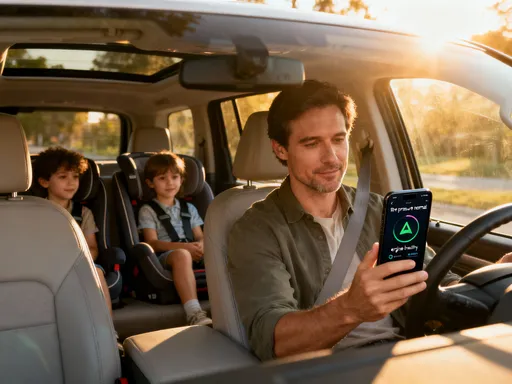
Now here’s where it gets really useful: when your driving habits connect to your shopping life. Imagine this—you’re driving home from your evening yoga class, and your phone gently pings. "You usually stop at the grocery store on nights like this. Would you like your usual list ready?" You didn’t open an app. You didn’t type a single item. But because the system knows your routine, your shopping list is already waiting for you—complete with milk, bananas, and that granola bar your teenager loves.
This isn’t science fiction. It’s already possible through smart integration between navigation apps, calendars, and retail platforms. The key is continuity. Instead of asking you to remember, log in, or start from scratch, the technology meets you where you are—literally. It sees that you’re near the mall, remembers you bought school supplies there last August, and suggests, "It’s that time again—need pencils and notebooks?" No pressure, no ads, just a quiet nudge at the right moment.
For families, this kind of support can be a game-changer. Think about how often you forget something simple—dish soap, trash bags, allergy medicine—only to realize it at the worst possible time. Now imagine if your phone knew you hadn’t passed the drugstore in ten days and gently reminded you, "You’re running low on tissues—pick some up tomorrow?" It’s not about replacing your memory. It’s about giving it a break. And when you’re juggling work, kids, meals, and a hundred other things, that break matters.
One of the most powerful features is predictive restocking. If you buy cat litter every five weeks, the system can calculate when you’ll need it next—based on your actual purchase history and driving patterns. No more last-minute runs to the store. No more using a cardboard box as a temporary litter box (we’ve all been there). Just a simple alert: "Time to restock? Your usual brand is on sale this week." That’s the kind of detail that makes life feel lighter.
Building a Community Around Smarter Habits
Here’s something even more exciting: what if this technology didn’t just help you, but helped your whole neighborhood? Imagine a local parent group using shared, anonymized driving data to make life easier for everyone. They notice that every Friday at 4:30 PM, the pickup line at the elementary school gets backed up, and parents end up circling the block for 20 minutes. So they organize a weekly carpool hour—coordinated through a simple app that suggests optimal drop-off and pickup times based on real traffic flow.
Or picture this: a community center partners with a nearby grocery store to offer "quiet hours" for seniors and families with young kids. How do they know when to schedule them? Not by guessing, but by looking at actual driving and shopping patterns in the area. They see that between 1:00 and 2:30 PM on Tuesdays, foot traffic is low, parking is easy, and the store is calm. So they promote that window as a stress-free shopping time—and even arrange for discounted prices during those hours.
These aren’t grand, high-tech overhauls. They’re small, thoughtful changes made possible by data that already exists. And because the data is anonymized and shared only with consent, no one feels exposed. It’s like having a neighborhood watch, but for convenience instead of security. Everyone benefits—stores get more consistent traffic, families save time, and the community feels more connected.
I recently heard about a town in the Midwest where this actually happened. A local moms’ group started using a shared calendar and driving insights to coordinate grocery trips. They found that if three or four families went on the same day, they could split bulk purchases and save money. One woman said, "We used to all go on Saturday, fighting the crowds. Now we spread it out, help each other out, and even carpool sometimes. It’s made shopping feel less like a chore and more like a small act of care." That’s the real win—not just efficiency, but connection.
Real Life, Real Benefits: A Day in the Life
Let’s follow Sarah for a day. She’s a nurse, a mom of two, and the kind of person who’s always doing for others. Her mornings start early—lunches packed, uniforms ironed, reminders given. By the time she gets in the car, her mental load is already full. A few years ago, her weekends were dominated by shopping—long lists, crowded aisles, forgotten items. "I’d come home exhausted," she told me. "And then I’d realize I forgot the one thing the kids needed for their science project. Again."
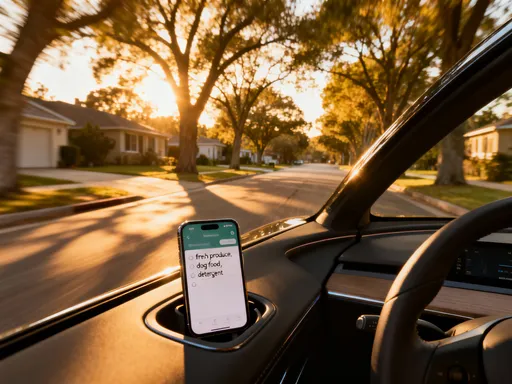
Now, her routine is different. Her phone knows she drives past the farmers’ market every Sunday morning on her way to her parents’ house. So every Saturday night, she gets a soft notification: "Fresh produce alert—your favorite stand has strawberries this week." If she taps yes, the item goes on her list. If not, no problem. It’s there if she wants it, gone if she doesn’t.
On Wednesday, she gets another nudge: "You haven’t passed the drugstore in two weeks. Laundry detergent is running low—add to cart?" She didn’t have to remember. She didn’t have to check the bottle. The system did it for her, quietly and kindly. And when she does go shopping, her list is already sorted by aisle—because the app knows how the store is laid out. No more wandering up and down, trying to remember where the spices are.
It’s not just about saving time. It’s about saving mental energy. "I don’t feel like I’m constantly behind anymore," Sarah said. "It’s like having a little help that doesn’t need me to ask for it. And that makes a huge difference when you’re already giving so much every day." That’s the kind of support that doesn’t make noise—it just makes life better.
Privacy Without the Paranoia
I know what you’re thinking: "This all sounds great, but what about my privacy?" It’s a fair question, and an important one. No one wants to feel watched, especially in their own car. That’s why the best systems are built on choice, control, and clarity. You decide what to share. You can turn features on or off at any time. And the data isn’t sold or shared with advertisers. It’s used only to serve you—never to sell to you.
Think of it like a library. You borrow a book, you return it, and no one tracks what you read at home. Similarly, these tools use your data temporarily to learn your patterns, then anonymize or delete it after a certain period. There’s no permanent record. No profile. Just helpful insights in the moment.
Transparency is key. The apps that earn trust are the ones that explain clearly what they do, how they do it, and why. They don’t hide behind confusing terms and conditions. They say, "We noticed you shop every Tuesday. Can we help you prepare?" and let you say yes or no. That’s respect. That’s partnership.
And let’s be honest—many of us already share location data without thinking. We use maps to get directions, check the weather, or find a nearby coffee shop. This is no different. It’s just more personalized, more thoughtful. The difference is in the intent: not to distract or sell, but to support. When you know that, it’s easier to trust.
The Future of Everyday Intelligence
This isn’t about flashy gadgets or complicated setups. It’s about technology that fits into your life like a well-worn pair of shoes—comfortable, reliable, and unnoticed until you really need it. The future of smart living isn’t in robots doing our chores. It’s in quiet systems that learn from our rhythms and help us move through the day with a little more ease.
When your drive helps your shopping, when your routine helps your family, when your habits help your community—that’s everyday intelligence. It’s not about replacing human judgment. It’s about enhancing it. It’s not about living in a sci-fi world. It’s about making the world you already live in just a little bit better.
And for women who carry so much—mentally, emotionally, physically—this kind of support isn’t a luxury. It’s a relief. It’s the difference between feeling overwhelmed and feeling in control. Between rushing and breathing. Between surviving and thriving.
So the next time you get in the car, remember: you’re not just driving. You’re creating patterns. And those patterns? They can work for you. They can help you shop smarter, save time, and protect your peace. All without lifting a finger. That’s not magic. That’s modern life—thoughtfully designed, quietly powered, and made just for you.