It’s Not Just About Lower Prices: How Price Comparison Apps Gave Me Control Without Risking My Privacy
We’ve all been there—standing in a store, phone in hand, trying to decide if this is really the best deal. I used to bounce between apps, worried my data was being sold or tracked. But over time, something shifted. These tools didn’t just save me money—they reshaped how I shop, think, and protect my digital self. It wasn’t an overnight change, but a quiet habit that grew stronger with every purchase. And the best part? I didn’t have to sacrifice my privacy to make it work. What started as a simple search for lower prices turned into something deeper: a sense of control, confidence, and clarity in a world that often feels designed to confuse us.
The Moment I Realized I Was Paying More Than Just the Sticker Price
It was 11 p.m. on a Tuesday. My kitchen counter was cluttered with sample skincare products I’d impulsively bought online, each promising brighter skin, fewer lines, and a glow I hadn’t seen since my twenties. I opened my laptop to return one, only to notice it was now listed at half the price. My stomach dropped. How had I missed that? I scrolled through my order history and saw a pattern—small overpayments here, rushed decisions there. It wasn’t one big mistake. It was a thousand tiny ones, each chipping away at my budget and my peace of mind.
That night, I realized I wasn’t just paying for the products. I was paying for uncertainty. For the mental load of wondering if I’d made the right choice. For the time spent comparing prices across three different tabs, only to close them all and buy anyway out of exhaustion. The real cost wasn’t just in dollars—it was in stress, regret, and a growing sense that I was always one step behind. I wasn’t careless with money, but I also wasn’t in control. And that feeling? It lingered long after the packages arrived.
I didn’t set out to become a tech-savvy shopper. I didn’t care about algorithms or data tracking. I just wanted to stop feeling like I was being played. I wanted to know—without second-guessing—that I’d made a smart choice. That’s when I started looking for tools that could help, not hurt. I wanted something that would give me clarity, not confusion. Something that respected my time and my privacy. And honestly, I didn’t think such a thing existed—until I found it.
How I Accidentally Built a Smarter Shopping Habit (One Click at a Time)
The first time I used a price comparison app, I didn’t even know what it was called. A friend mentioned it over coffee—“You just scan the barcode, and it shows you if it’s cheaper online.” I rolled my eyes a little. Sounded too good to be true. But the next time I was in the grocery store, staring at two nearly identical jars of organic peanut butter, I gave it a try. I opened the app, pointed my camera, and within seconds, it told me the same brand was $2.37 less at a store ten minutes away. I almost laughed. Who knew?
That small win stuck with me. It wasn’t just about the money—it was about the moment of clarity. For once, I wasn’t guessing. I had proof. I started using the app more, not perfectly, but consistently. Before adding anything to my cart online, I’d pause. “Wait—let me check.” It became a tiny ritual, like brushing my teeth or locking the front door. At first, I only used it for big purchases—new sneakers, a kitchen appliance. But soon, it crept into everyday decisions: laundry detergent, school supplies, even birthday cards.
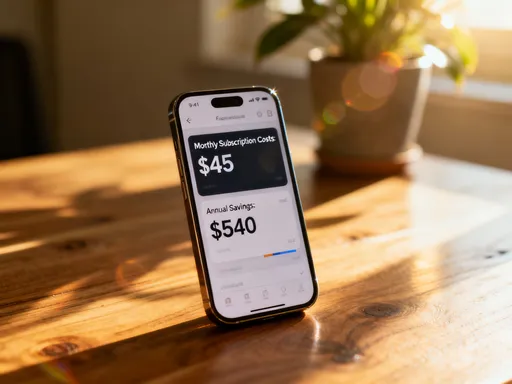
What surprised me most was how quickly it became automatic. I didn’t have to force myself. The app sent gentle reminders, like “You saved $47 last month!” or “This item is 18% lower today.” Those little nudges felt like encouragement, not pressure. I started looking forward to seeing my monthly savings report. It wasn’t just a number—it was proof I was making progress. And the more I used it, the more I trusted it. I remember showing my daughter the screen once and saying, “Wait, this same blender costs $15 less online?” She looked at me like I’d discovered a superpower. Maybe I had.
From Doubt to Trust: Learning What These Apps Actually Do With My Data
But then, things got weird. I downloaded a new shopping app after seeing an ad that promised “instant cashback.” I used it a few times, nothing major. Then, suddenly, every ad on my phone seemed to know what I was shopping for. I searched for a yoga mat, and within hours, I was seeing yoga pants, meditation apps, even retreats in Bali. It felt invasive. I hadn’t signed up for that. I deleted the app the same day, but the ads kept coming. That’s when I realized: not all price comparison tools are created equal.
I started reading the fine print—the permissions, the privacy policies, the tiny links at the bottom of the screen. What I found was unsettling. Some apps asked for access to my location, my contacts, even my browsing history. Others promised to “enhance your shopping experience” by tracking my behavior across websites. That didn’t sound like help—it sounded like surveillance. I didn’t want a digital shadow following me everywhere I clicked. I wanted a tool, not a tracker.
So I did something I should’ve done from the start: I slowed down and did my research. I learned that many price comparison apps work in different ways. Some act like digital assistants—they scan prices, compare options, and disappear. Others collect data to build a profile of me, then sell it to advertisers. The difference isn’t always obvious. But once I knew what to look for, I could tell which apps respected my boundaries and which didn’t. I discovered “privacy-first” tools—ones that run locally on my phone, don’t store my search history, and don’t require an account. They do one job: help me find the best price. No strings attached.
What Changed When I Started Choosing Apps That Respected My Boundaries
Switching to privacy-conscious apps changed everything. The first time I used one that didn’t ask for my email or location, I felt a wave of relief. No sign-up. No tracking. Just a simple interface that let me scan, compare, and move on. I didn’t have to worry about being followed by ads or getting spam emails. The app didn’t know my name, and I liked it that way.
One of my favorite tools now works entirely offline. It uses public price data from retailers and compares options without sending anything to the cloud. It’s like having a shopping assistant who never talks about me behind my back. I also started using private browsing modes when shopping online and turned off ad tracking in my phone settings. These small changes added up. I noticed fewer targeted ads, less clutter in my inbox, and a general sense of calm when I opened my phone.
I also got into the habit of checking app permissions before installing anything. If an app wants access to my microphone or contacts just to compare prices? Hard pass. I stick to apps with clear privacy policies, high user ratings, and transparent practices. Some are even open-source, meaning independent experts can review the code to make sure it’s not hiding anything sneaky. It’s not about being paranoid—it’s about being smart. I want tools that make my life easier, not ones that make me feel exposed.
How My Family Began to Notice the Difference—Beyond Just Savings
The shift didn’t stop with me. One evening, my husband was about to buy a new set of wrenches online. I saw him pause, pull out his phone, and open the app I’d been using. “Did you check the price?” he asked me. I smiled. A few months ago, he would’ve just clicked “buy” and moved on. Now, he was thinking twice. It felt like we were on the same team—making smarter choices together.
Even my kids got involved. My teenage son started using the app to compare prices on video games and headphones. He’d show me his savings like it was a badge of honor. “Mom, I got this for 20% off—no subscription, no hidden fee.” I loved that he was learning to be thoughtful about spending, not just impulsive. We started having real conversations about value, quality, and what things are actually worth.
Grocery shopping became easier, too. Instead of wandering the aisles with a printed list and a calculator, I could check prices in real time. I knew which store had the best deal on almond milk, which brand of pasta was on sale, and whether buying in bulk actually saved money. Our weekly trips got shorter, less stressful, and more intentional. We weren’t just saving money—we were saving time and energy. And at the end of the month, that extra cushion in our budget meant we could plan a family dinner out, or set aside a little more for savings. It wasn’t about deprivation. It was about freedom.
The Hidden Win: Feeling More Confident, Not Just More Frugal
The money I’ve saved is nice—over $800 in the last year, according to my app’s report—but it’s not the biggest win. The real change is how I feel. I don’t lie awake wondering if I overspent. I don’t feel guilty after clicking “buy.” I know I’ve done my homework. I’ve compared options, checked reviews, and made a choice that fits my budget and my values. That peace of mind is priceless.
It’s like learning to drive. At first, every turn felt risky. You’re hyper-aware of every lane change, every stop sign. But over time, it becomes second nature. You don’t think about the mechanics—you just drive. That’s how using these apps feels now. I don’t stress about prices. I don’t feel behind. I just make a choice and move on, confident that it’s a good one.
And that confidence spills into other areas of my life. When I feel in control of my spending, I feel more capable in general. I’m calmer when unexpected expenses come up. I’m better at planning for the future. I don’t see myself as someone who’s bad with money anymore. I see myself as someone who’s learning, growing, and making progress—one small, smart decision at a time. That’s the kind of change that lasts.
Making It Last: Simple Rules That Keep My Habits Strong and My Data Safe
I won’t pretend I’ve got it all figured out. There are still times I forget to check the app. Moments when I buy something on impulse. But I’ve built a system that helps me stay on track. Before I download any new shopping app, I run through a quick checklist: Does it require an account? Does it ask for unnecessary permissions? Is the privacy policy easy to understand? If the answer to any of those is no, I keep looking.
I also review my app permissions every few months. It takes ten minutes, but it’s worth it. I’ve found apps I forgot I even had, quietly collecting data in the background. Out they go. I’ve also taught my kids to do the same. We talk about digital safety at the dinner table now—how to spot sketchy apps, why free tools aren’t always free, and why it’s okay to say no to downloads that feel off.
The truth is, this isn’t about perfection. It’s about progress. You don’t have to compare every price or track every dollar to benefit. Start small. Try one app. Check one item. See how it feels. Over time, those little choices add up—to savings, to confidence, to a life that feels more intentional. You don’t need to be a tech expert. You just need to care a little bit about protecting your time, your money, and your privacy. And if I can do it, so can you. It’s not magic. It’s just one mindful click at a time.