I thought we were safe enough: How door sensors gave me back my peace of mind
You know that moment when your child runs toward the front door barefoot in pajamas, or you’re upstairs and hear a creak downstairs but can’t tell if it’s the house settling or something more? I used to brush those moments off—until one night, I realized how little I actually knew about what was happening at the edges of my home. That’s when I discovered something simple that changed everything. It wasn’t a high-tech camera or a loud alarm system. It was a tiny device that quietly sits on my doors and windows, watching over the parts of my home I can’t always see. And honestly? It gave me back a sense of calm I didn’t even realize I’d lost.
The Small Gaps We Ignore (Until We Can’t)
Let’s be real—we all think our homes are safe. We live in quiet neighborhoods, we lock the doors at night, and we’ve got routines that make us feel in control. I used to believe that locking the back door after gardening or making sure the front gate clicked shut was enough. But life doesn’t always follow the plan, and safety isn’t just about the big things. It’s the small, everyday oversights that can quietly chip away at our peace of mind.
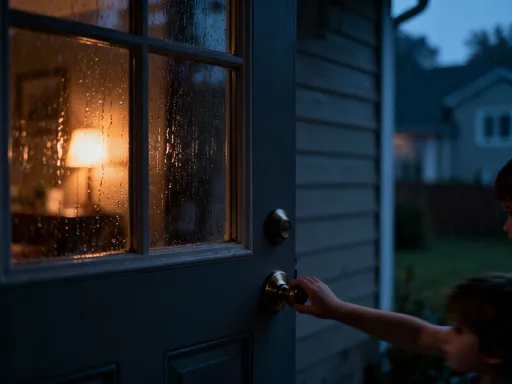
I remember one rainy evening, my daughter was playing in the living room while I was folding laundry upstairs. I heard the front door open and close—just a soft click—but I didn’t think much of it. A minute later, I looked out the window and saw her tiny figure, still in her socks, standing under the porch light, looking for our cat who’d slipped out earlier. My heart dropped. I hadn’t heard the door unlock. I hadn’t seen her reach for the handle. And in that moment, I realized: I had no idea when that door opened. That was the first time I truly felt the gap between feeling safe and actually being safe.
It wasn’t a break-in. It wasn’t a disaster. But it was a wake-up call. How many times had I assumed a door was locked, only to find out later it wasn’t? How often did I double-check the garage because I couldn’t remember if I’d closed it? These weren’t rare moments—they were part of my daily rhythm. And the more I thought about it, the more I realized that true safety isn’t just about locks and alarms. It’s about awareness. It’s about knowing, not guessing, what’s happening in your home—even when you’re not looking.
Meet the Quiet Guardians: What Door and Window Sensors Actually Do
So what exactly are these little devices? Think of them as the quiet guardians of your home’s entry points. A door or window sensor is a small pair of magnetic pieces—one attaches to the door or window frame, and the other to the moving part. When the door opens, the magnetic connection breaks, and that sends a signal to your home’s smart hub or directly to your phone. It’s that simple. No wires, no drilling, no complicated setup. Most of them stick on with adhesive strips, and they run on long-lasting batteries.
I like to think of them as a nightlight for your awareness. You don’t need to stare at a screen or monitor cameras all day. But when something happens—a door opens, a window slides open—you get a quiet alert. It’s not a siren. It’s not meant to scare you. It’s just a gentle nudge: “Hey, the back door just opened. Did you mean for that to happen?”
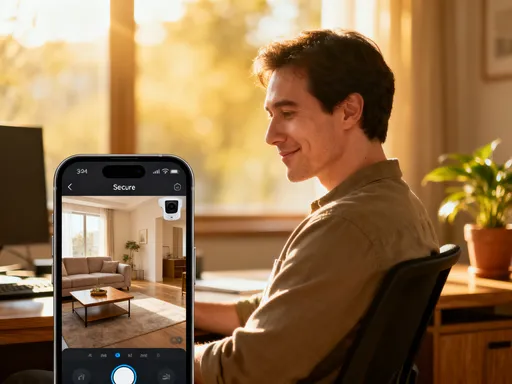
And here’s the thing—this isn’t about fear or suspicion. It’s about staying in the loop. When I’m cooking dinner and the kids are running around, I don’t have to stop and wonder if someone left the side gate open. When I’m working from home and hear a noise, I don’t have to panic and run downstairs. I just glance at my phone. If the sensor hasn’t triggered, I know it’s probably just the house settling. If it has, I can respond calmly, with information instead of guesswork.
These sensors don’t replace locks or good habits. But they do add a layer of quiet confidence. They’re not watching for intruders—they’re watching for the moments when life happens faster than we can keep up. And honestly, that’s where most of our vulnerabilities come from: not from bad people, but from busy lives, tired brains, and distracted moments.
More Than Security: How Sensors Support Healthier Daily Living
When I first looked into door sensors, I thought of them purely as a security tool. But what surprised me most was how they started supporting our family’s health and routines in ways I hadn’t expected. Safety isn’t just about keeping bad things out—it’s also about making sure the people we love are safe inside.
My mom lives with us part-time, and she values her independence. She doesn’t want someone checking on her every hour, and I don’t want to make her feel watched. But I do worry—especially if she hasn’t come out of her room by late morning. With a simple sensor on her bedroom door, I can set up a gentle alert. If the door hasn’t opened by 10:30 a.m., my phone pings. It doesn’t mean anything’s wrong—but it gives me a reason to knock and say, “Hey Mom, do you want some tea?” It’s not surveillance. It’s care, wrapped in technology.
For families with young kids, these sensors can be just as helpful. Toddlers are curious. They see a door slightly open and think, “Adventure!” I’ve had more than one panic when my son wandered into the backyard unnoticed. Now, if a door opens and I’m not the one who opened it, I know right away. It’s not about control—it’s about being present. It gives me the freedom to let him explore safely, knowing I’ll be alerted if he steps outside without me.
Even for everyday routines, these little devices help. My teenager sometimes forgets to close the garage door after school. Now, if it’s still open after 30 minutes, I get a reminder. No more driving back in the rain to check. No more worrying about energy loss or pests getting in. It’s a small thing, but it adds up. Over time, I’ve noticed we’re less stressed, more confident, and more in sync with our home’s rhythm.
Real Moments That Changed My Response Time
There’s a big difference between knowing something works in theory and seeing it work in real life. I’ll never forget the night it really clicked for me. It was storming outside—wind howling, rain pounding the roof. My youngest had been asking all evening if she could go look for the cat. I said no, of course. But around 9 p.m., my phone buzzed: “Front door opened.”
I froze. I wasn’t near the door. My husband was asleep. I ran downstairs and found her, tiny in her raincoat, hand on the knob, about to step out into the dark. She just wanted to help the cat. My heart was racing, but I stayed calm. I hugged her, explained why it wasn’t safe, and we watched the storm from the window together. That alert didn’t just stop her from going out—it gave me time to respond with love, not panic.
Another time, a delivery person left a package at the back door and accidentally bumped it open while walking away. I was in the kitchen, unaware. Five seconds later, my phone lit up. I went to check and found the door swinging in the breeze. No one was inside, but it could have been different. That sensor didn’t just protect us from a break-in—it protected us from the kind of mistake anyone could make.
These aren’t dramatic stories. There were no masked intruders, no police calls. But that’s the point. Most of the risks we face aren’t from movies—they’re from real life. From tiredness, distraction, curiosity, or simple accidents. And in those moments, having a little alert made all the difference. It didn’t make me paranoid. It made me prepared. It gave me the space to act thoughtfully instead of reacting in fear.
Setting It Up Without Stress: A Beginner-Friendly Walkthrough
If you’re thinking, “This sounds great, but I’m not tech-savvy,” I get it. I felt the same way. I didn’t want to spend hours reading manuals or calling customer support. The good news? Setting up door and window sensors is easier than most people think. You don’t need to be an expert. You don’t even need to own a smart home system. Many of these devices work with simple apps and connect through Wi-Fi or Bluetooth.
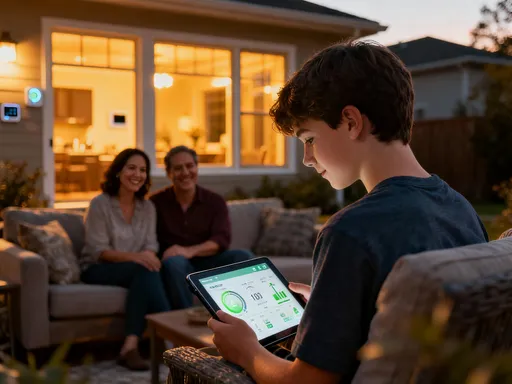
Here’s how I did it: First, I chose a starter kit with four sensors—enough for the front door, back door, garage, and my mom’s bedroom. I picked one with adhesive backing, so no drilling. Then, I downloaded the app and followed the setup guide. It walked me through pairing each sensor with the hub, step by step. The whole process took less than 30 minutes.
Placement matters. I learned the hard way that putting a sensor in direct sunlight can drain the battery faster. Also, make sure the two parts are aligned—about half an inch apart—so the magnet works properly. I tested each one by opening the door and checking my phone. If the alert came through, I knew it was working.
One tip: label your sensors in the app. I named mine “Front Door,” “Back Patio,” “Garage,” and “Mom’s Room.” That way, when I get an alert, I know exactly where it’s coming from. And don’t forget to test them regularly. I set a monthly reminder to walk through the house and open each door to make sure the alerts still come through. Most batteries last 12 to 18 months, so I keep spares on hand.
The best part? Once it’s set up, it’s set. You don’t have to do anything else. No daily maintenance. No constant monitoring. It just works, quietly, in the background. And if you ever move, most sensors can be removed and reinstalled in your new home. It’s a small investment that grows with your life.
Building a Calmer Home: The Emotional Shift You Don’t Expect
The biggest change I’ve noticed since installing these sensors isn’t about security—it’s about how I feel in my own home. I used to walk through the house at night, checking locks, peering out windows, second-guessing myself. Now, I don’t. I trust the system. I trust that if something happens, I’ll know. And that trust has brought a quiet calm into my daily life.
It’s not just me. My husband used to nag me about whether I’d locked the garage. Now, he checks the app instead. My kids know the rules—if the door opens, Mom will know. It’s not about punishment. It’s about shared awareness. We’ve started talking more about safety, not as a scary topic, but as part of how we care for each other.
I’ve also noticed I’m more present. When I’m playing with my kids, I’m not distracted by wondering if I left the back door open. When I’m working, I’m not jumping at every noise. I can focus, breathe, and enjoy the moment—because I know I’m not missing something important.
There’s a difference between living in fear and living with awareness. These sensors didn’t make me more anxious. They did the opposite. They gave me permission to relax. They didn’t change my home—they changed how I experience it. And that emotional shift? That’s been the most valuable part of all.
Peace of Mind Isn’t Luxury—It’s a Daily Necessity
In the end, I realized something important: peace of mind isn’t something we earn after everything is perfect. It’s something we build, day by day, with small, thoughtful choices. Installing door and window sensors wasn’t about preparing for the worst. It was about creating a home where we could all feel safer, more connected, and more at ease.
These little devices didn’t make me a better parent, a better daughter, or a better partner. But they gave me the space to be those things more fully. I’m less distracted. I’m more responsive. I’m calmer. And that calm doesn’t just stay with me—it spreads to everyone in the house.
Technology doesn’t have to be flashy or complicated to make a difference. Sometimes, the most powerful tools are the quietest ones—the ones that don’t demand attention but give us back something priceless: the ability to live without constant worry. We don’t need to do more to feel safe. We just need to know a little more.
So if you’ve ever stood at the top of the stairs, heart racing, wondering if that noise downstairs was just the house—or something more—know this: you’re not alone. And you don’t have to live with that uncertainty. A small sensor on a door won’t solve every problem. But it can give you something simple, something real: the quiet confidence that you’re in the know. And sometimes, that’s all it takes to feel truly at home.