Why My Hair Stopped Falling Out — A Real Talk on Smarter Hair Care
Hair thinning used to stress me out—bad days, mirror checks, you name it. But after trying (and failing) with flashy products, I discovered real progress lies in simple, consistent habits. It’s not about miracle cures, but smart prevention. This is how I took control, backed by science and personal proof, to keep my hair healthier and stronger long-term.
The Wake-Up Call: When Hair Shedding Became Impossible to Ignore
It started subtly—more strands than usual on the shower floor, a few extra clinging to the brush each morning. At first, it was easy to dismiss. Everyone loses hair, right? A little shedding is normal. But over time, the signs became harder to ignore. The part in my hair widened slightly. My ponytail felt thinner. I began avoiding mirrors on bad days, dreading the confirmation of what I already sensed: something was wrong.
The emotional toll surprised me. Hair is deeply tied to identity, especially for many women. It’s not just about appearance—it’s about feeling like yourself. I noticed I was spending more time styling, trying to camouflage the thinning with layers or volume tricks. I felt self-conscious at work, during family events, even on video calls. There was a quiet shame that came with it, as if hair loss signaled a loss of vitality, youth, or control.
I told myself it was just aging. After all, I was in my late 30s. Friends mentioned similar changes. But deep down, I knew not every woman experiences significant shedding at this stage. Was it really inevitable? That question became my turning point. Instead of accepting it as fate, I decided to look deeper. I wanted to understand the root causes—not just cover them up with serums or wigs, but address what was really happening beneath the surface.
This shift in mindset—from hiding to investigating—was the first real step toward change. I began researching, not with desperation, but with curiosity. I read studies, consulted dermatology resources, and started tracking my habits. What I discovered wasn’t a single villain, but a combination of factors quietly undermining my hair health. And more importantly, I learned that many of these factors were within my control.
Hair Health 101: What Most People Get Wrong About Scalp and Strands
To understand hair loss, it helps to understand how hair grows. Each strand follows a natural cycle with three main phases: anagen, catagen, and telogen. The anagen phase is the active growth stage, lasting anywhere from two to seven years. During this time, hair follicles are deeply rooted and producing new cells. Next is catagen, a short transitional phase of about two to three weeks, when growth stops and the follicle shrinks. Finally, the telogen phase is the resting stage, lasting around three months, after which the old hair sheds and a new one begins to grow.
On average, a person loses 50 to 100 hairs per day—this is normal and part of the cycle. Problems arise when the balance is disrupted. If too many follicles enter the telogen phase at once, or if the anagen phase shortens, shedding increases noticeably. This condition, known as telogen effluvium, can be triggered by stress, illness, hormonal changes, or nutritional deficiencies. Understanding this cycle helped me realize that hair loss isn’t always permanent or irreversible—it can be a signal, not a sentence.
One of the most important insights I gained was that strong hair begins with a healthy scalp. Think of the scalp as soil and hair as plants. No matter how good the seed, poor soil won’t support healthy growth. A clean, well-nourished scalp with good blood circulation creates the ideal environment for strong, resilient strands. Yet many people focus only on the visible hair, neglecting the foundation beneath.
Several myths also clouded my understanding early on. One common belief is that washing hair too often causes loss. In reality, regular cleansing removes buildup and supports scalp health. Another misconception is that brushing hair 100 strokes a day is beneficial. While gentle brushing can stimulate the scalp, excessive brushing—especially when hair is wet and fragile—can lead to breakage. I had been over-brushing, thinking I was helping, when I was actually causing harm.
Another myth is that hair loss is purely genetic and therefore untreatable. While heredity plays a role, especially in conditions like female pattern hair loss, lifestyle and environmental factors often influence when and how severely it appears. This means that even with a family history, proactive care can delay onset and reduce severity. Recognizing these truths shifted my focus from helplessness to empowerment.
Silent Threats: Lifestyle Factors That Damage Hair Without Warning
As I dug deeper, I began to see how everyday habits were silently affecting my hair. The biggest culprit? Chronic stress. It’s not just about feeling overwhelmed—stress triggers real physiological changes. When the body is under constant pressure, it produces higher levels of cortisol, a hormone that can disrupt the hair growth cycle. Elevated cortisol can push more follicles into the telogen phase, leading to increased shedding months later. This delay often makes it hard to connect stress with hair loss, but the link is well-documented.
My job had been particularly demanding during the months leading up to my worst shedding. I wasn’t sleeping well, often lying awake with racing thoughts. Poor sleep, I learned, compounds the problem. During deep sleep, the body repairs tissues and balances hormones—both essential for healthy hair. Without enough restorative rest, the scalp’s ability to support growth diminishes over time. I realized I had been sacrificing sleep for productivity, not realizing I was paying a visible price.
Diet was another silent factor. I wasn’t eating poorly, but my meals were often rushed, low in protein, and lacking in key nutrients. I relied on convenience foods, skipped meals when busy, and drank more coffee than water. Over time, this pattern led to subtle deficiencies—especially in iron and zinc—both of which are crucial for hair strength. Iron deficiency, even without anemia, is a known contributor to hair thinning in women.
Environmental factors also played a role. I live in an area with hard water, which contains high levels of minerals like calcium and magnesium. These can build up on the scalp and hair, making it feel dry, brittle, and harder to manage. Pollution, too, exposes the scalp to free radicals that can damage follicles. I hadn’t considered these elements before, but they were part of the cumulative stress on my hair.
These factors didn’t act alone. They built on each other—stress affecting sleep, poor sleep affecting eating habits, diet affecting nutrient levels, and environmental exposure adding further strain. The result was a perfect storm for hair loss. But once I identified them, I could begin to address each one with targeted changes.
Prevention Over Repair: Building Daily Habits That Actually Work
Instead of chasing quick fixes, I focused on sustainable, science-backed habits. The first change was in my hair care routine. I switched to a sulfate-free shampoo, which is gentler on the scalp and less likely to strip natural oils. Sulfates, while effective at cleaning, can be harsh and irritating, especially for sensitive scalps. By choosing milder formulas, I reduced dryness and inflammation, creating a better environment for growth.
I also adjusted how often I washed my hair. Contrary to the myth that daily washing causes loss, I found that cleaning every other day helped maintain scalp hygiene without over-drying. I paid attention to water temperature—using lukewarm rather than hot water to avoid irritation. After washing, I gently patted my hair dry instead of rubbing it with a towel, which minimized breakage.
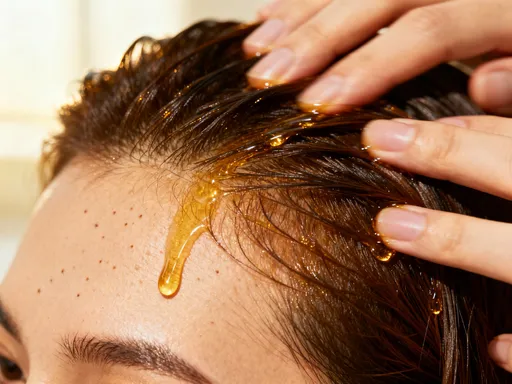
One of the most effective habits I adopted was regular scalp massage. Just five minutes a day, using the pads of my fingers in small circular motions, improved blood flow to the follicles. Studies suggest that increased circulation can support the anagen phase and strengthen hair roots. I often did this while listening to calming music or during my evening skincare routine, turning it into a moment of mindfulness.
Styling habits also needed an overhaul. I stopped wearing tight ponytails and braids that pulled on the hairline, a practice that can lead to traction alopecia over time. I reduced my use of heat tools—flat irons, curling wands, blow dryers—and when I did use them, I applied a heat protectant and kept the temperature low. Air-drying became my default, and I embraced natural textures more.
I also started using a wide-tooth comb instead of a brush, especially when my hair was wet. This simple switch reduced breakage significantly. I invested in a silk pillowcase, which causes less friction than cotton and helps prevent split ends and tangles overnight. These changes weren’t drastic, but they added up. Over time, I noticed less shedding during styling and more resilience in my strands.
Fueling From Within: Nutrition as a Foundation for Resilient Hair
No amount of external care can compensate for poor internal nutrition. Hair is made mostly of keratin, a type of protein, so adequate protein intake is essential. I began incorporating more lean meats, eggs, legumes, and Greek yogurt into my meals. These foods not only provide protein but also deliver other key nutrients like biotin and sulfur-containing amino acids that support hair structure.
Iron was another priority. Women are particularly prone to iron deficiency due to menstruation, and low iron stores can directly impact hair growth. I increased my intake of iron-rich foods like spinach, lentils, tofu, and lean beef. To enhance absorption, I paired them with vitamin C sources—such as bell peppers, oranges, or tomatoes—since vitamin C helps the body utilize non-heme iron from plant-based foods.
Zinc is another mineral linked to hair health. It plays a role in hair tissue growth and repair, and deficiency can lead to shedding. I added more pumpkin seeds, chickpeas, and shellfish to my diet. Biotin, often marketed in hair supplements, is important—but I chose to get it from food rather than pills. Eggs, almonds, and sweet potatoes are natural sources, and for most people, a balanced diet provides enough without supplementation.
I also made sure to stay hydrated. Water is essential for every cell in the body, including hair follicles. Dehydration can make hair dry and brittle. I set a goal of drinking at least eight glasses a day and carried a reusable bottle to help me stay on track.
One of the most practical changes was planning simple, hair-supportive meals. For breakfast, I might have scrambled eggs with spinach and whole grain toast. Lunch could be a quinoa bowl with black beans, avocado, and roasted vegetables. Dinner often included grilled salmon, which provides omega-3 fatty acids that nourish the scalp and reduce inflammation. Snacks included nuts, seeds, or Greek yogurt with berries. These weren’t extreme diets—just consistent, nutrient-dense choices that fit into real life.
When to Seek Help: Knowing the Line Between Normal Shedding and Warning Signs
While many cases of hair loss are temporary and lifestyle-related, some signs warrant professional evaluation. It’s normal to lose up to 100 hairs a day, especially after washing or brushing. But if you notice clumps coming out, a sudden increase in shedding, or visible thinning—particularly at the crown or temples—it’s time to pay closer attention.
Red flags include patchy hair loss, which could indicate alopecia areata, an autoimmune condition. Scalp irritation, redness, scaling, or itching might point to dermatological issues like psoriasis or fungal infections. Rapid thinning after childbirth, major surgery, or illness could signal telogen effluvium. And if hair loss is accompanied by other symptoms—like fatigue, weight changes, or irregular periods—it may be linked to thyroid disorders or hormonal imbalances.
In these cases, self-care alone isn’t enough. A dermatologist or healthcare provider can perform tests—such as blood work to check iron, thyroid, and hormone levels—and provide an accurate diagnosis. They may recommend treatments like topical minoxidil, which is FDA-approved for female pattern hair loss, or address underlying medical conditions.
Seeking help isn’t a failure—it’s a smart, proactive step. I consulted a dermatologist who confirmed my shedding was primarily stress and nutrition-related, not genetic or autoimmune. That diagnosis gave me clarity and confidence in my approach. For others, medical intervention may be necessary, and there’s no shame in that. The key is not to ignore persistent changes.
My Long-Term Strategy: Combining Science, Simplicity, and Consistency
What ultimately made the difference wasn’t one magic solution, but a consistent, four-part approach: gentle care, smart nutrition, stress management, and professional guidance when needed. I didn’t transform my routine overnight. Instead, I made small, sustainable changes that became habits over time. I stopped looking for miracles and started valuing progress.
Gentle hair care protected my strands from unnecessary damage. Balanced nutrition fueled growth from within. Daily scalp massages and stress-reducing practices like walking, journaling, and better sleep hygiene supported overall wellness. And knowing when to consult a professional ensured I wasn’t missing anything serious.
Within a few months, I noticed less shedding. My hair felt thicker, looked shinier, and grew more steadily. The changes weren’t dramatic, but they were real. More importantly, I felt more in control. This journey wasn’t just about hair—it was about listening to my body and responding with care.
Healthy hair isn’t about quick fixes or expensive treatments—it’s the result of consistent, informed choices. By shifting focus from aesthetics to prevention, we protect not just our strands, but our overall well-being. This journey taught me that taking care of your hair is really about taking care of yourself.