Breathe Easier, Live Healthier: My Home Detox Journey
Living in a clean environment isn’t just about looking neat—it’s a frontline defense against illness. I used to cough every morning, feel sluggish, and wonder why. Then I realized my home was secretly working against me. Dust, mold, and hidden toxins were harming my health. After making simple, science-backed changes, I noticed real improvement. This is why improving your indoor environment might be the most effective disease prevention step you’ve overlooked.
The Hidden Threat in Your Home
Many people assume that staying indoors protects them from pollution, but the truth is often the opposite. According to the U.S. Environmental Protection Agency (EPA), indoor air can be two to five times more polluted than outdoor air—and in some cases, even more. The average home accumulates a range of invisible threats, including dust mites, pet dander, mold spores, volatile organic compounds (VOCs), and fine particulate matter. These pollutants settle in carpets, furniture, curtains, and even on walls, where they go unnoticed until symptoms arise.
Dust mites, for example, are microscopic organisms that thrive in warm, humid environments—particularly in bedding, pillows, and upholstered furniture. Though they don’t bite or transmit disease, their shed skin and feces are potent allergens. When inhaled, these particles can trigger allergic rhinitis, asthma, and chronic sinus issues. Similarly, mold spores grow in damp areas like bathrooms, basements, and under sinks. Even small, unseen leaks can create ideal conditions for mold, which releases spores into the air and may cause respiratory irritation, coughing, and fatigue.
Volatile organic compounds (VOCs) come from a surprising number of everyday household items. Paints, cleaning supplies, air fresheners, adhesives, and even new furniture or flooring can emit these chemicals over time. Some VOCs, like formaldehyde and benzene, are known irritants and, in high concentrations, have been linked to long-term health risks. The problem is that these emissions often occur without smell or immediate symptoms, making them easy to ignore—until cumulative exposure takes a toll.
The concept of “sick building syndrome” was first recognized in the 1980s and refers to a collection of symptoms—such as headaches, dizziness, fatigue, and difficulty concentrating—that occupants experience when inside a particular building, with symptoms improving once they leave. While not a formal medical diagnosis, it highlights how indoor environments can directly affect well-being. Poor ventilation, chemical off-gassing, and biological contaminants all contribute. For many, the home—meant to be a sanctuary—can unknowingly become a source of chronic low-grade stress on the body.
Why Environment Shapes Immunity
The human immune system is remarkably adaptive, but it is not indestructible. When exposed to constant irritants, it shifts into a state of low-level inflammation, diverting resources from fighting infections to managing environmental assaults. Over time, this chronic burden can weaken immune resilience, making individuals more susceptible to colds, flu, and other illnesses. Research published in the journal Environmental Health Perspectives has shown that children raised in homes with high levels of indoor allergens and pollutants are more likely to develop asthma and allergies.
Clean indoor air supports optimal immune function. When airborne irritants are reduced, the respiratory tract is less inflamed, mucus production normalizes, and cilia—the tiny hair-like structures in the airways that sweep out debris—can function efficiently. This means viruses and bacteria are less likely to take hold. A study from the Harvard T.H. Chan School of Public Health found that office workers in well-ventilated buildings with low levels of pollutants scored significantly higher on cognitive function tests, particularly in areas like crisis response, information usage, and strategy. While the study focused on workplaces, the implications for homes are clear: a healthier environment enhances both physical and mental performance.
Sleep quality is another critical factor influenced by indoor air. Poor air quality can lead to nasal congestion, dry throat, and disrupted breathing patterns, all of which interfere with restorative sleep. Since sleep is when the body repairs tissues, consolidates memory, and strengthens immunity, any compromise in sleep directly undermines health. By improving air quality, many people report deeper sleep, fewer nighttime awakenings, and waking up feeling more refreshed.
Furthermore, a clean home environment can reduce the frequency and severity of allergy symptoms. Seasonal allergies are hard enough, but when combined with year-round indoor triggers, the burden on the immune system multiplies. By minimizing exposure to dust, mold, and chemical irritants, individuals often find they need fewer medications, experience fewer sick days, and have more energy for daily activities. The connection between environment and disease prevention is not speculative—it is supported by decades of public health research and clinical observation.
Decluttering: More Than Just Tidying Up
When I began my home detox journey, I started with decluttering—not because I wanted a minimalist lifestyle, but because I realized clutter was a health hazard. Stacks of old magazines, unused knickknacks, and overstuffed closets weren’t just unsightly; they were dust reservoirs. Every surface collects dust, and the more surfaces you have, the more pollutants accumulate. Clutter also makes cleaning difficult, allowing allergens to linger in hard-to-reach places.
I began in the bedroom, where I spend the most time. I removed excess decor, donated unused clothes, and cleared the space under the bed. I focused on high-touch zones: nightstands, dressers, shelves, and window sills. By reducing the number of items, I not only made cleaning easier but also reduced the places where dust mites and mold could thrive. The immediate effect was noticeable—less dust on surfaces, and a sense of openness in the room.
Living rooms and home offices were next. Books, electronics, and decorative items can trap dust and absorb VOCs from the air. I adopted a one-in, one-out rule: for every new item brought into the house, one old item had to go. This simple practice helped maintain balance and prevented clutter from creeping back. I also stored seasonal items in sealed plastic bins instead of cardboard boxes, which can absorb moisture and attract mold.
The psychological benefits were just as important as the physical ones. A cluttered space can increase stress and make it harder to relax. With fewer distractions, I found it easier to unwind in the evenings and start mornings with a sense of calm. Decluttering became less about perfection and more about creating a space that supported well-being. Over time, the habit spread to other areas—pantries, garages, and even digital spaces—proving that order and health go hand in hand.
Cleaning Smarter, Not Harder
For years, I used conventional cleaning products, believing their strong scents meant they were working harder. Then I learned that many of these products contain chemicals like ammonia, chlorine, and synthetic fragrances—substances that can irritate the lungs and trigger asthma. The irony was clear: I was using cleaners to remove dirt, but adding new toxins in the process. Switching to natural alternatives was one of the most impactful changes I made.
I started with simple, effective solutions: white vinegar, baking soda, and castile soap. Vinegar is a natural disinfectant and deodorizer, effective against mold and bacteria. Baking soda is a gentle abrasive that cleans without scratching. Together, they can tackle kitchen grease, bathroom grime, and even carpet odors. For disinfecting, I occasionally use hydrogen peroxide, which breaks down into water and oxygen, leaving no harmful residue. Essential oils like tea tree, eucalyptus, and lemon add a pleasant scent and have natural antimicrobial properties, though I use them sparingly and always dilute them properly.
Another crucial upgrade was my vacuum cleaner. I replaced my old model with one equipped with a HEPA (High-Efficiency Particulate Air) filter. HEPA filters are designed to capture at least 99.97% of particles as small as 0.3 microns—this includes dust mites, pollen, mold spores, and pet dander. Using this vacuum weekly made a visible difference: less dust in the air, fewer allergy symptoms, and cleaner floors. I also made sure to empty the dustbin or replace bags regularly to maintain efficiency.
Damp mopping instead of dry sweeping became a new habit. Dry sweeping kicks up dust and redistributes it into the air, where it can be inhaled. Using a microfiber mop with water and a drop of vinegar traps particles effectively. I focused on high-traffic areas like kitchens and hallways, cleaning them at least twice a week. For bathrooms, I improved ventilation by running the exhaust fan during and after showers to reduce moisture and prevent mold growth. These changes didn’t take more time—just a shift in mindset from cleaning for appearance to cleaning for health.
Air Quality Upgrades That Actually Work
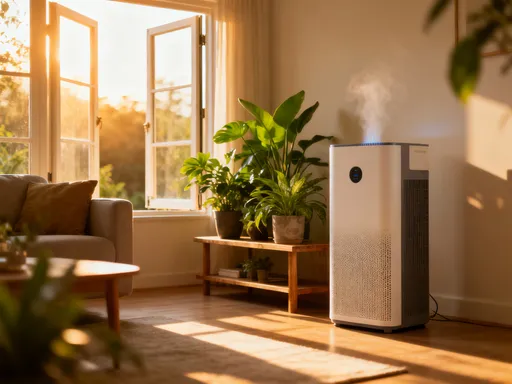
After addressing visible clutter and switching to safer cleaning methods, I turned my attention to the air itself. I invested in a high-quality air purifier with a true HEPA filter and an activated carbon layer. The HEPA filter captures fine particles, while the carbon layer absorbs VOCs and odors. I placed it in the bedroom, where I spend the most time, and ran it continuously on a low setting. Within days, I noticed less dust on surfaces and easier breathing, especially in the mornings.
During allergy season, the difference was even more pronounced. Pollen levels outside were high, but the purifier kept indoor air clean. I also monitored air quality using a low-cost indoor air quality monitor, which measured PM2.5 (fine particulate matter), humidity, and VOC levels. This device helped me identify problem areas—like a spike in VOCs after painting a room—and adjust my habits accordingly. For example, I now ventilate the house thoroughly after using cleaning products or cooking with gas.
Natural air filtration also played a role. I introduced several houseplants known for their air-purifying qualities. Spider plants, peace lilies, and snake plants are not only attractive but also effective at removing certain toxins from the air, according to NASA’s Clean Air Study. While plants alone can’t replace mechanical filtration, they add a layer of natural support and improve the overall ambiance of the home.
Ventilation emerged as one of the simplest yet most powerful tools. I made it a habit to open windows for at least 10–15 minutes each day, even in winter, to allow fresh air exchange. Cross-ventilation—opening windows on opposite sides of the house—created a natural breeze that flushed out stale air. In kitchens and bathrooms, I used exhaust fans consistently. In colder months, I balanced ventilation with humidity control, using a humidifier to prevent dry air from irritating my throat and sinuses. These practices transformed my home from a sealed container into a dynamic, breathable space.
Mindful Choices in Daily Habits
Sustainable change comes from small, consistent habits. One of the easiest but most effective practices I adopted was removing shoes at the door. Shoes track in dirt, pesticides, and pollutants from outside, including lead dust and lawn chemicals. By leaving them at the entrance, I significantly reduced the amount of contaminants entering my home. I placed a small bench and a basket for shoes by the front door, making the habit convenient for everyone in the household.
Bedding became another focus area. I began washing sheets, pillowcases, and blankets weekly in hot water—at least 130°F (54°C)—to kill dust mites. I also used allergen-proof covers on mattresses and pillows, creating a barrier against mites and their waste. These simple steps led to fewer nighttime sneezes and less morning congestion.
I eliminated synthetic air fresheners and scented candles, which often release phthalates and other harmful chemicals. Instead, I used essential oil diffusers with a few drops of lavender or orange oil for a natural scent. I also opened windows more often and kept the house well-ventilated to prevent odors from building up. In the kitchen, I simmered citrus peels and cinnamon sticks in water for a fresh, chemical-free aroma.
In winter, dry indoor air became a concern. Low humidity can cause dry skin, irritated nasal passages, and increased susceptibility to respiratory infections. I started using a cool-mist humidifier in the bedroom, maintaining humidity between 40% and 60%, the ideal range for comfort and health. I cleaned the humidifier weekly to prevent mold and bacteria growth, following the manufacturer’s instructions carefully. These daily habits, though small, collectively created a protective environment that supported long-term wellness.
Building a Sustainable Healthy Lifestyle
Transforming my home didn’t happen overnight. It was a gradual process of awareness, experimentation, and adjustment. The key was consistency, not perfection. I didn’t aim for a spotless, sterile environment—just a cleaner, safer one. Over time, these changes became second nature, woven into my daily routine like brushing my teeth or preparing meals.
I now view my home as an active partner in my health. Every purchase I make—from furniture to cleaning supplies—I evaluate for its impact on indoor air quality. I choose low-VOC paints, natural fiber rugs, and solid wood furniture over particleboard, which can emit formaldehyde. When renovating, I ensure proper ventilation and allow new materials to off-gas before moving back in. I also educate family members about healthy habits, turning awareness into shared responsibility.
Regular maintenance keeps the benefits lasting. I schedule seasonal deep cleans, replace HVAC filters every three months, and check for moisture issues in the basement and bathroom. I stay informed about new research and technologies, but I remain cautious about unproven products or exaggerated claims. The foundation of my approach remains simple: reduce pollutants, increase ventilation, and support the body’s natural defenses.
Disease prevention doesn’t always require expensive treatments or drastic lifestyle changes. Often, the most powerful interventions are the ones closest to us—in the air we breathe, the surfaces we touch, and the spaces we inhabit daily. By making your home a healthier environment, you create a daily shield against illness. You invest not just in cleanliness, but in long-term vitality. Breathe easier, live healthier—because the place you call home should be your greatest ally in wellness.